Nutrition per 100g
Full Nutrition Breakdown per 100g
Per 100 g, Cheese, cheddar contains 0.330 g of total sugars, led by lactose and glucose. Its fat is mostly saturated.
Per 100 g, Cheese also provides 0.160 mg iron, 707.0 mg calcium, 77.0 mg potassium, 26.8 mg magnesium, 3.7 mg zinc and 458.0 mg phosphorus.
Origins & cultivation
- About
- yellow or white, creamy or solid food made from the pressed curds of milk
Research findings
Each finding is a claim distilled from a published study, with an honest verdict on how strongly the wider literature backs it.
-
The summary relative risk for cheese and curd and liver cancer was 1.16 (95% CI: 0.83-1.52).
CorroboratedSystematic review PMID 33349059 -
Cheese intake was among the associations for which a causal relationship with breast cancer was further confirmed.
CorroboratedSystematic review PMID 40386557 -
A causal relationship with breast cancer was further confirmed for BMI, fruit intake, calcium channel blockers, cheese intake, insulin like growth factor-1 levels, and serum triglyceride levels.
CorroboratedSystematic review PMID 40386557 -
The evidence for an association between milk and dairy intake and prostate cancer risk was inconsistent.
CorroboratedSystematic review PMID 27882862 -
Nutritionally, cow's milk and plant-based drinks are completely different foods.
CorroboratedSystematic review PMID 27882862 -
A high intake of alcohol, caffeine and red meat and processed meat by males has a negative influence on the chance of pregnancy or fertilization rates in their partners.
CorroboratedSystematic review PMID 28333357 -
Systemic inflammation is associated with obesity and chronic disease risk.
CorroboratedSystematic review PMID 32870744 -
Fruit and vegetable intake correlated with improved gait speed (HR = 0.60; 95% CI: 0.42–0.84).
CorroboratedSystematic review PMID 41788019 -
The summary relative risk for milk and liver cancer was 1.17 (95% CI: 0.87-1.57).
CorroboratedSystematic review PMID 33349059 -
The summary relative risk for total dairy and liver cancer was 1.08 (95% CI: 0.78-1.51).
CorroboratedSystematic review PMID 33349059
Showing the 10 most relevant corroborated findings of 1877. Search above to explore the rest.
Lab & mechanism studies (161)
-
The best recipe for plant-based cheese determined by TOPSIS analysis was 15% tapioca starch, 20% soy protein isolate, 7% gelatine, and 15% coconut oil.
CorroboratedMechanistic PMID 37245213 -
The protein content of the optimized plant-based cheese was 170.1 g/kg.
CorroboratedMechanistic PMID 37245213 -
The protein content of the optimized plant-based cheese was close to that of commercial dairy-based cheese.
CorroboratedMechanistic PMID 37245213 -
The fat content of the optimized plant-based cheese was 114.7 g/kg.
CorroboratedMechanistic PMID 37245213 -
The viscoelasticity of the plant-based cheese is higher than that of dairy-based cheese and commercial plant-based cheese.
CorroboratedMechanistic PMID 37245213 -
The type and content of protein has a significant impact on the microstructure of plant-based cheese.
CorroboratedMechanistic PMID 37245213 -
The FTIR spectrum of the plant-based cheese microstructure shows a characteristic value at 1700 cm-1 because the starch was heated and leached to form a complex with lauric acid under the action of hydrogen bond.
CorroboratedMechanistic PMID 37245213 -
Fermentation contributes to the taste and odor of plant cheeses.
CorroboratedMechanistic PMID 38839234 -
Both Lc. lactis and Lp. plantarum were inactivated during plant cheese ripening.
CorroboratedMechanistic PMID 38839234 -
Sequencing of full length 16S rRNA genes confirmed that the inocula accounted for more than 98% of the bacterial communities in the plant cheeses.
CorroboratedMechanistic PMID 38839234
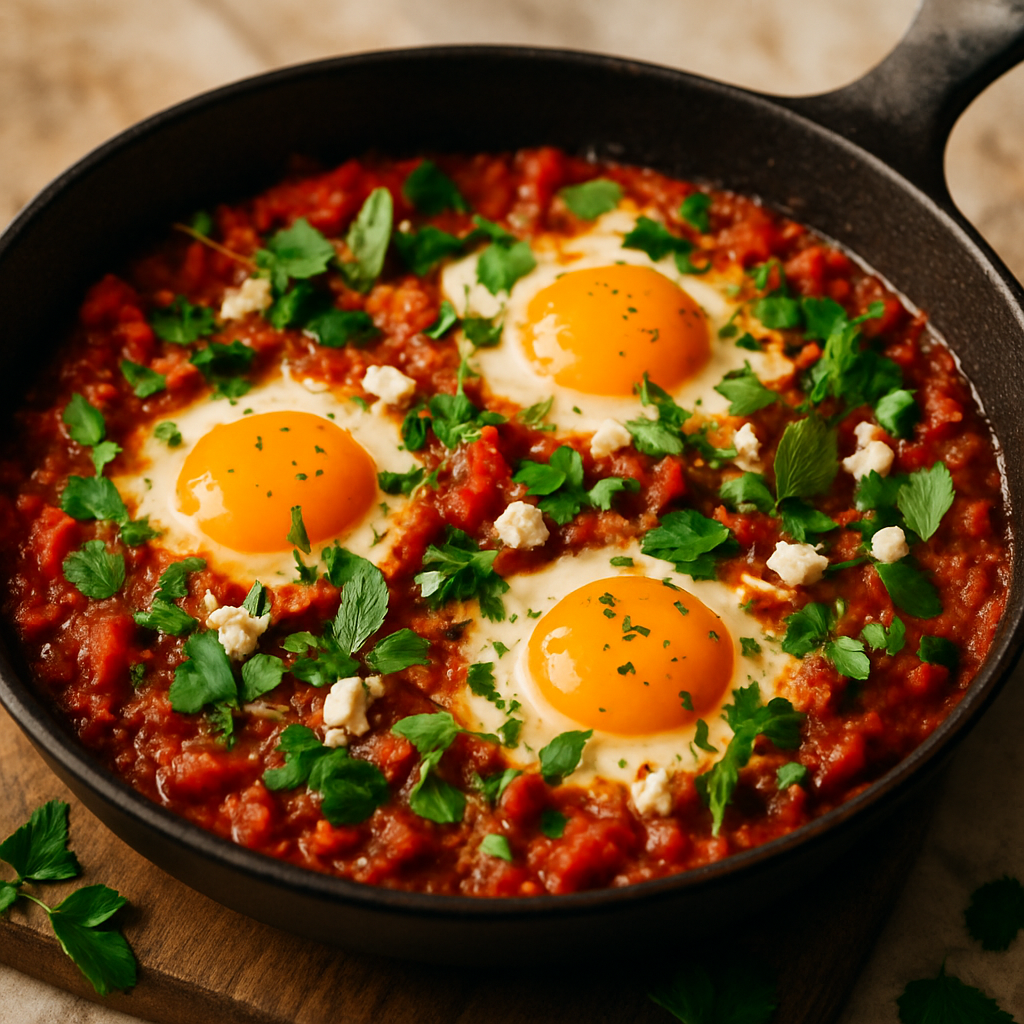
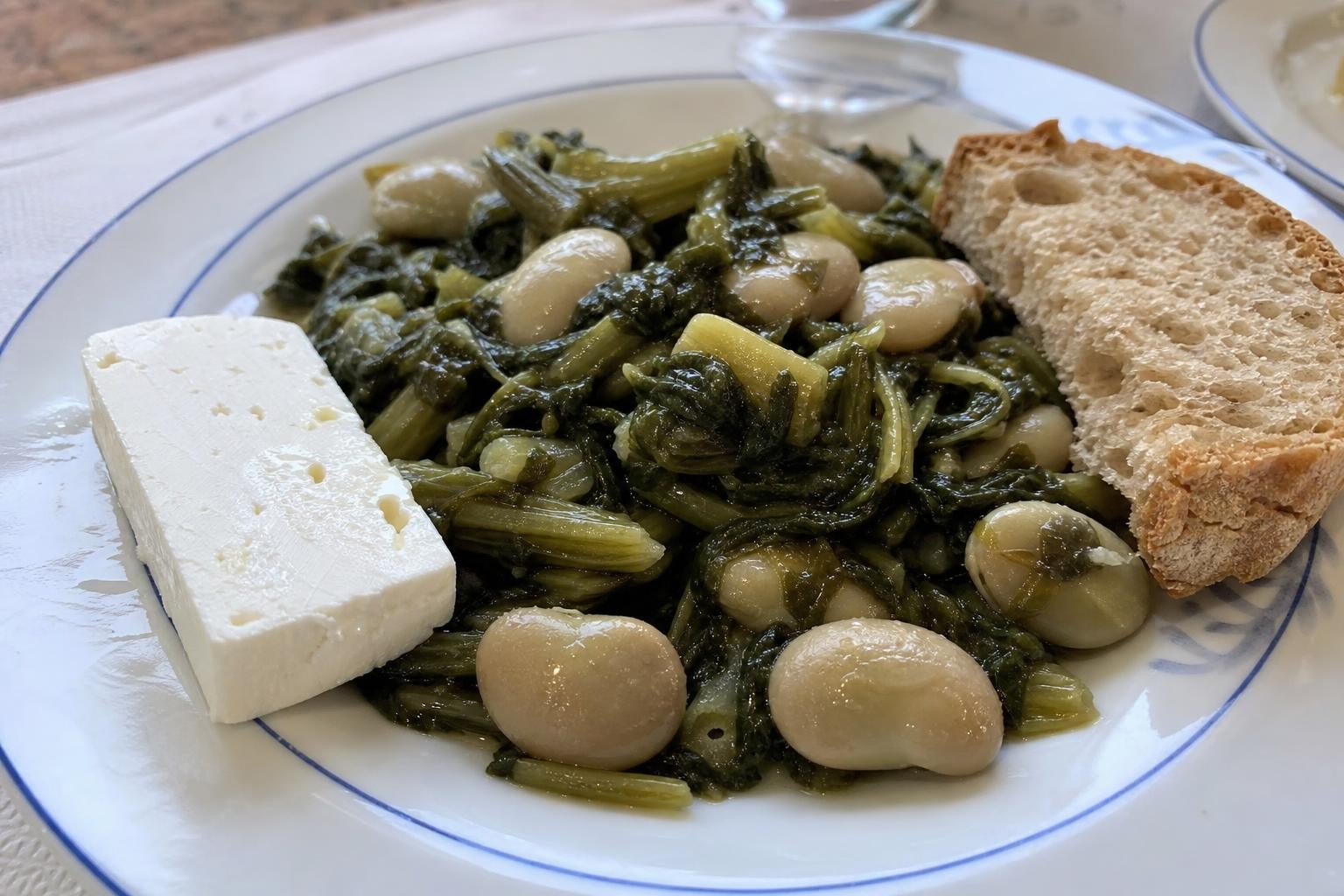
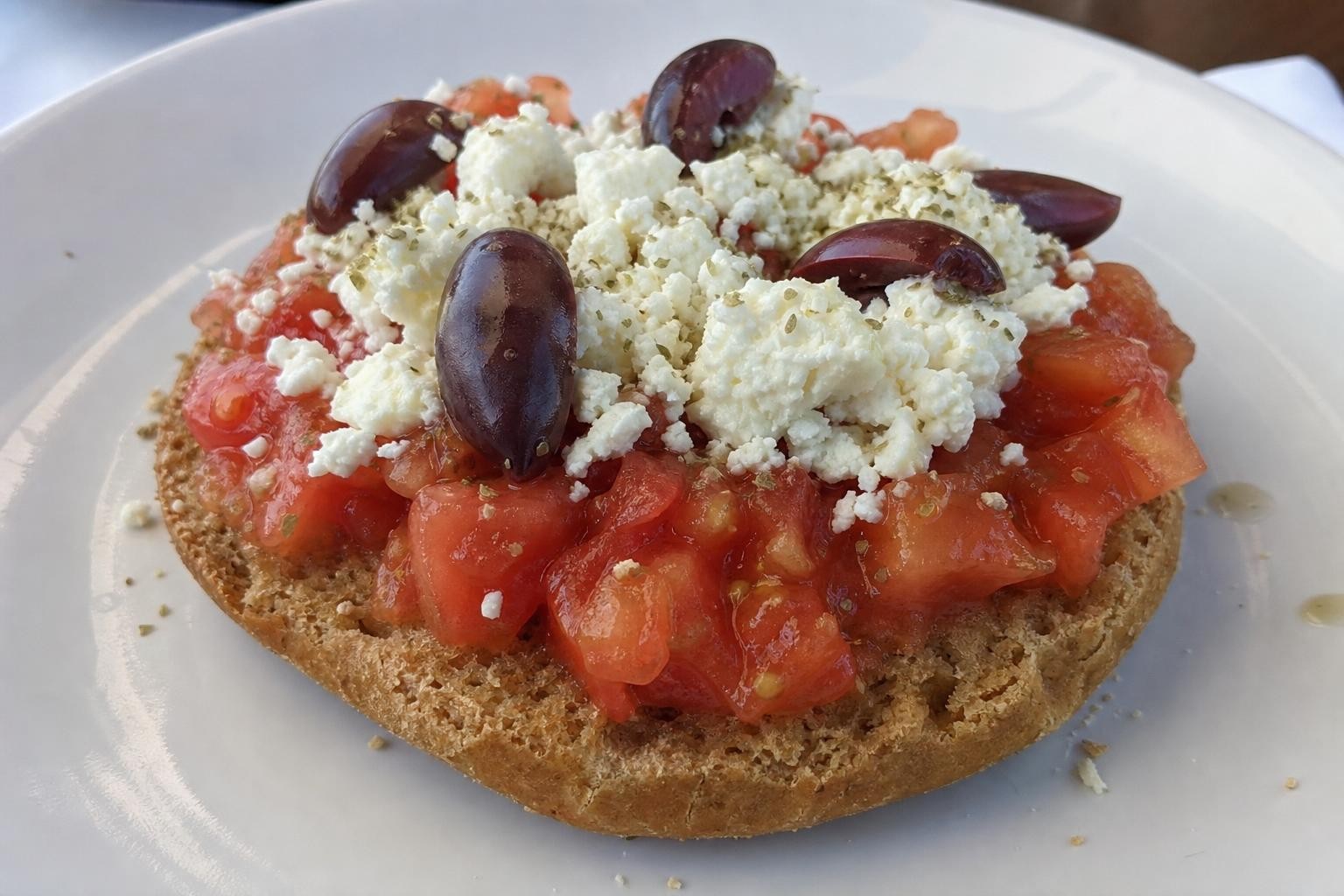
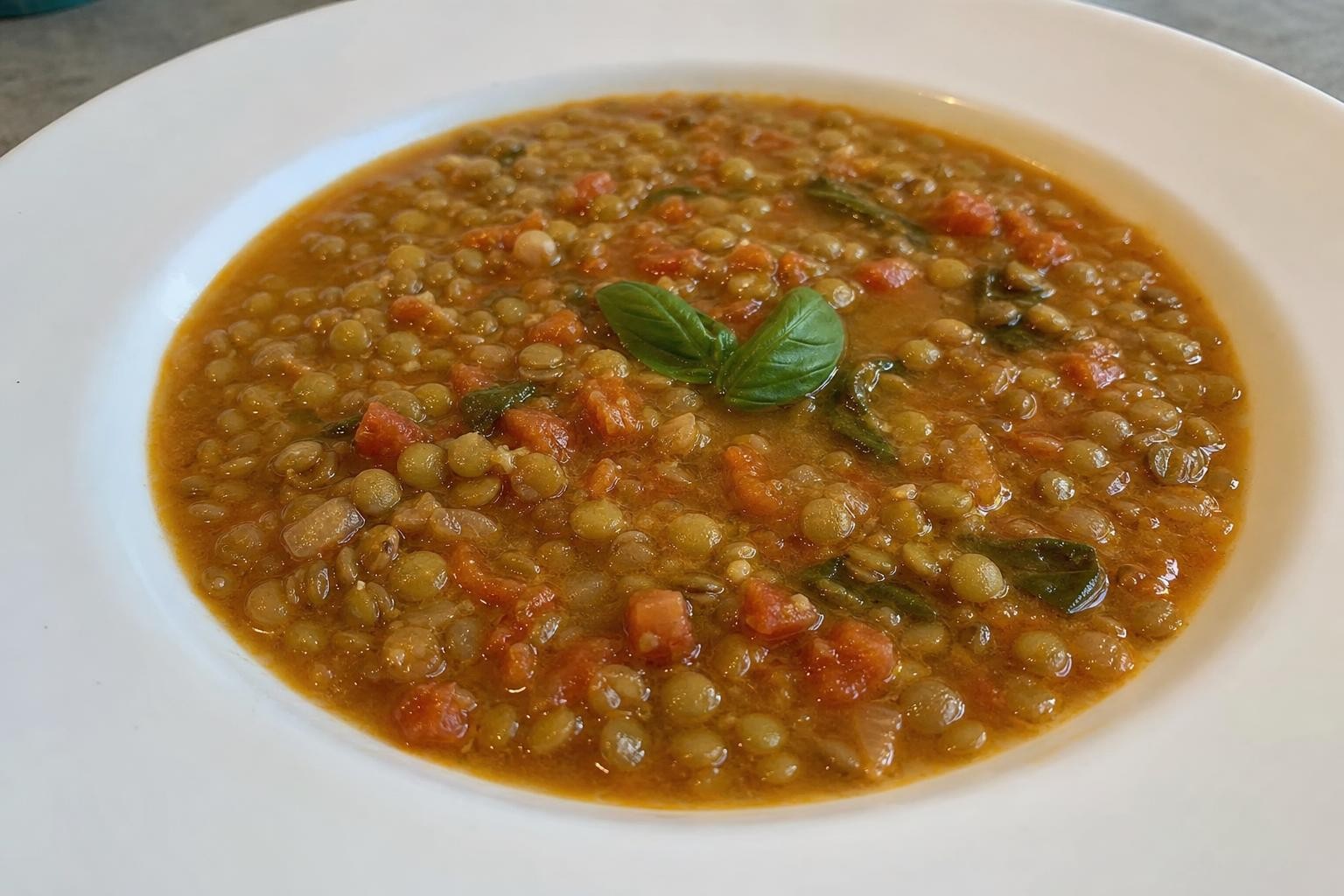
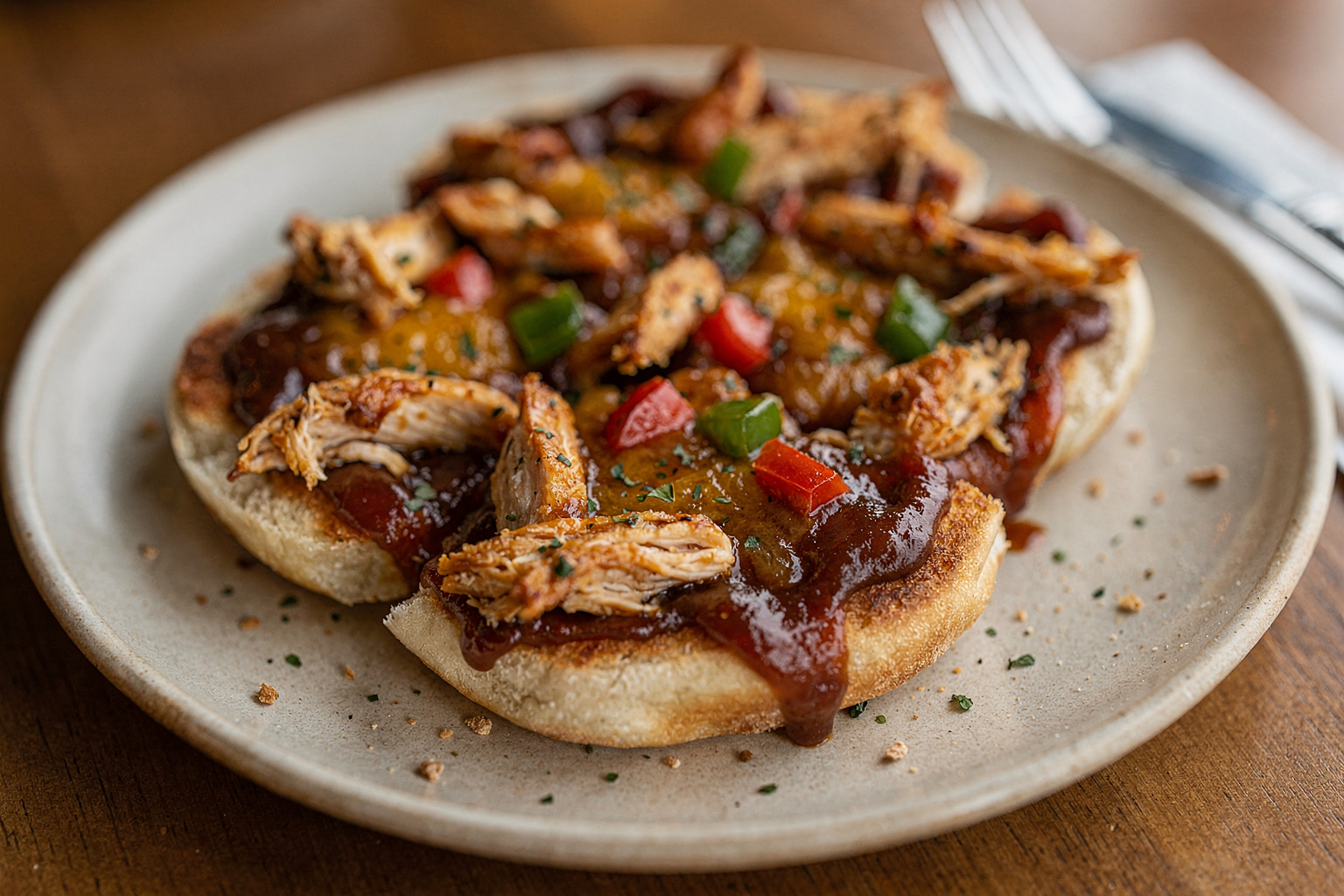
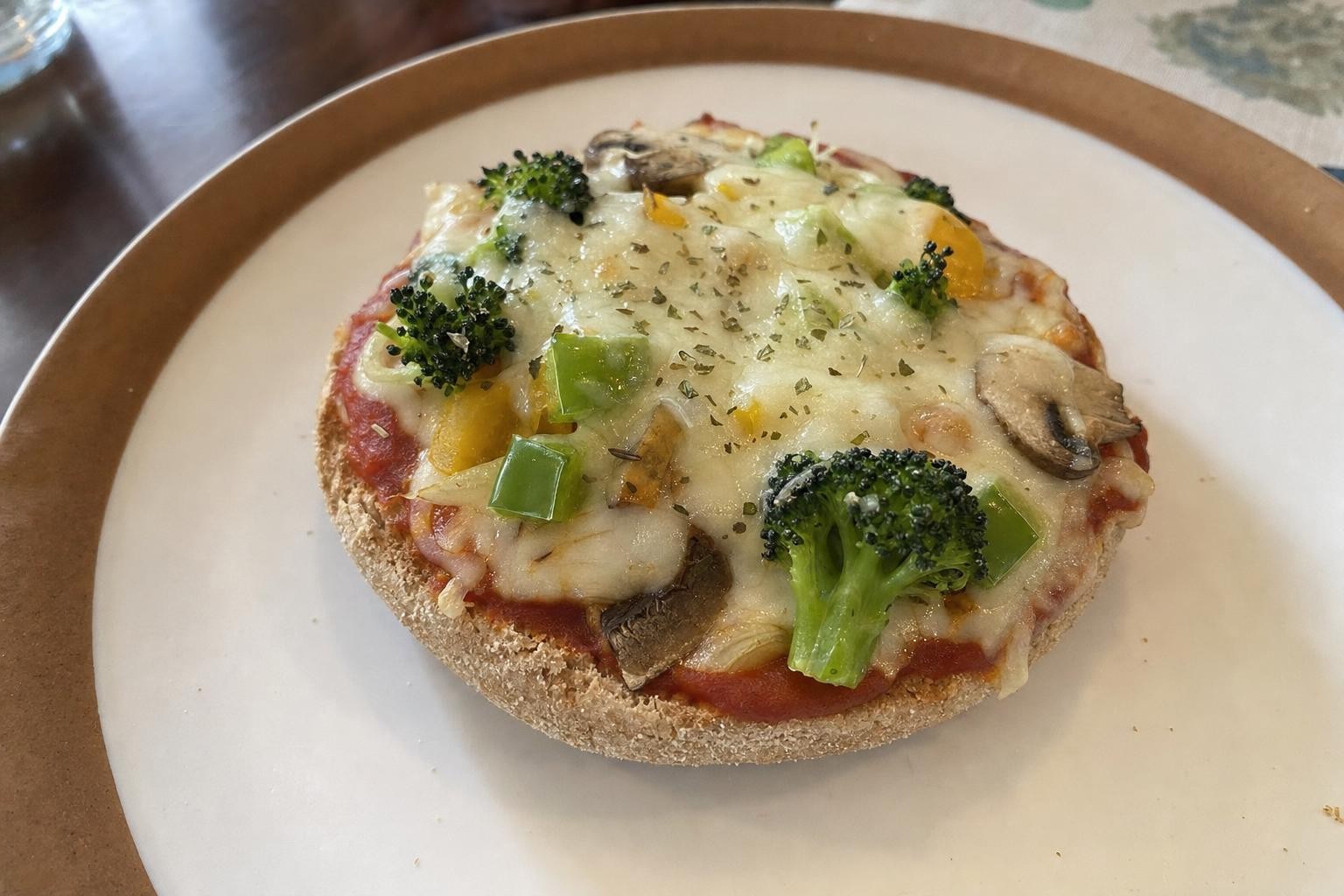
Recipes with Cheese
Built for nutritionists. See how it grows your practice →